This guide examines what Bugatti 2035 could represent for luxury-performance vehicles, including likely developments in electrification, materials, aerodynamics, software, and ownership. Bugatti has not publicly confirmed a production model specifically named “Bugatti 2035,” so the discussion separates established automotive trends from informed interpretation. It also explains how buyers can research comparable vehicles through major automotive marketplaces and evaluate price, condition, financing, inspection, and seller credibility.

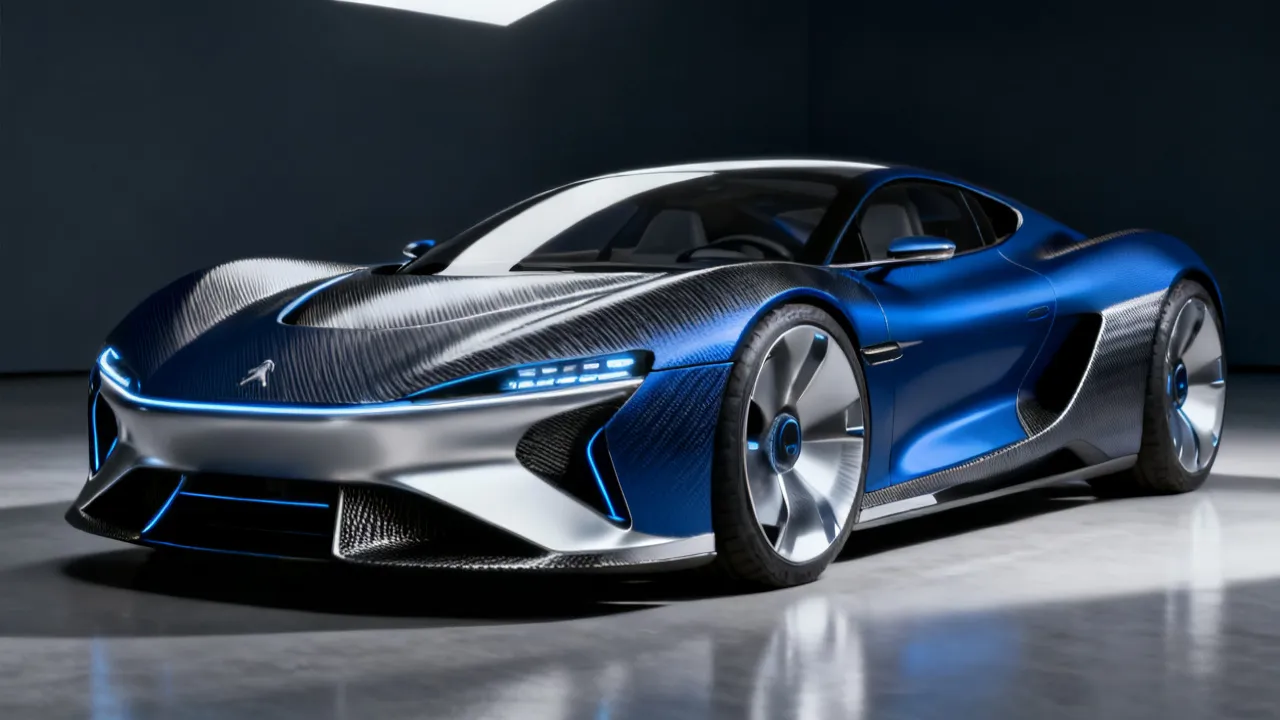
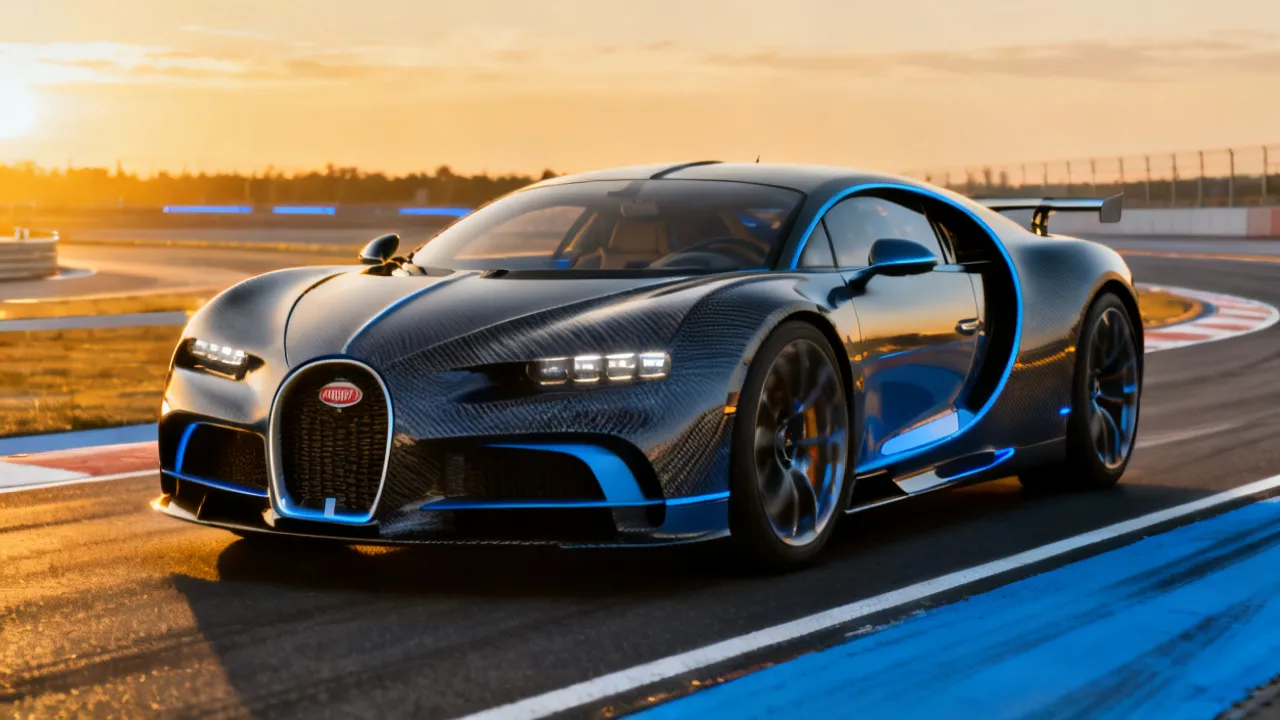
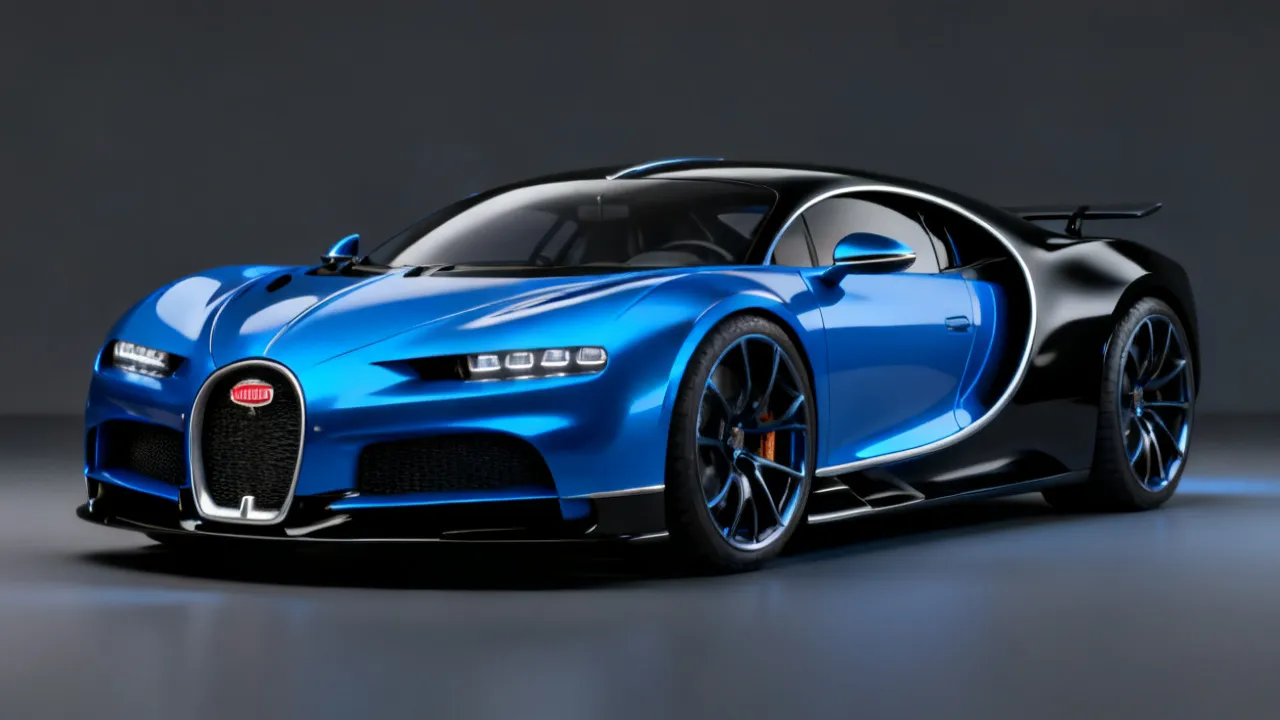
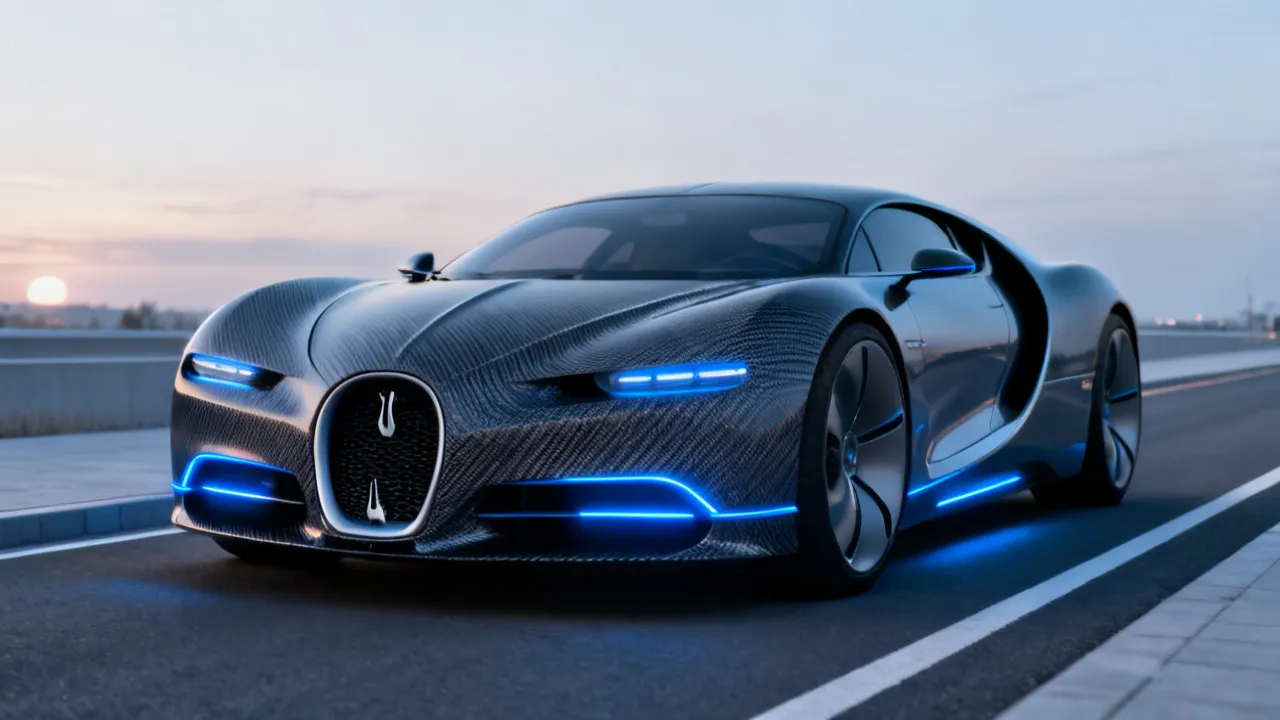
Bugatti 2035 is best understood as a forward-looking search term rather than the confirmed name of a production automobile. As of the reference date specified for this article, Bugatti had not announced a vehicle officially titled “Bugatti 2035.” The phrase generally refers to expectations about what a future Bugatti hypercar might look like by the middle of the next decade, particularly as luxury manufacturers respond to stricter emissions rules, changing customer preferences, advanced driver-assistance systems, and the expanding role of electrification.
The important conclusion for prospective buyers is therefore straightforward: readers should distinguish between confirmed manufacturer information, credible industry analysis, independent concept work, and online speculation. A rendered image or social-media claim should not be treated as evidence of a production model, official performance figure, price, release date, or technical specification. For a vehicle positioned at the highest level of the market, verification is especially important because limited production, bespoke options, and private allocations can make public information incomplete.
From an industry perspective, a future Bugatti would probably need to preserve several traditional brand characteristics while adapting to a significantly different regulatory and technological environment. Those characteristics include extraordinary acceleration, high-speed stability, carefully controlled bodywork, exceptional interior craftsmanship, strong brand identity, and a level of personalization beyond ordinary premium vehicles. At the same time, the manufacturer would need to manage battery weight, thermal performance, software reliability, charging infrastructure, energy efficiency, and the environmental expectations associated with high-value vehicles.
That combination makes the Bugatti 2035 concept particularly interesting. The question is not simply whether a future Bugatti will use an electric motor. The more meaningful issue is how the company could combine combustion technology, hybrid assistance, battery systems, lightweight engineering, and digital control without weakening the emotional character that defines a Bugatti.
The discussion also illustrates how quickly automotive terminology can become detached from official product planning. A phrase may begin as a speculative reference to a future date and later be repeated in articles, videos, search results, and social posts as though it were a confirmed model name. Readers should therefore examine the source, publication date, wording, and evidence behind every claim. Phrases such as “could,” “expected,” “reportedly,” and “rumored” indicate uncertainty, while a genuine product announcement should normally include identifiable manufacturer communication or an authorized representative.
Forecasting a vehicle more than a decade ahead involves uncertainty. Nevertheless, several developments already visible across the automotive sector provide a reasonable framework for analysis. A future Bugatti could be shaped by five broad priorities: propulsion, weight reduction, aerodynamic efficiency, digital integration, and personalized ownership.
Electrification is likely to influence any high-performance vehicle developed for the 2030s. Electric motors offer immediate torque, precise control, and packaging flexibility. They can also support torque vectoring, allowing software to adjust power delivery between wheels during acceleration and cornering. These qualities are valuable for a hypercar because they can improve both straight-line response and stability.
However, a large battery can add substantial mass. For a vehicle designed to feel agile at high speed, additional weight affects braking, tire loads, steering response, and energy consumption. A Bugatti 2035 powertrain might therefore use a carefully engineered hybrid architecture rather than relying only on a very large battery. A combustion engine could provide long-range energy density and emotional sound, while electric motors could assist launch performance, low-speed maneuvering, and transient response.
Another possibility is a fully electric system supported by advanced battery chemistry and extensive thermal management. That approach could deliver very strong initial acceleration, but the vehicle would still need to address sustained high-speed driving, repeated acceleration, battery cooling, charging time, and aerodynamic drag. Hypercar customers may also expect a driving experience that feels distinctive rather than simply fast. Sound design, pedal calibration, gear simulation, and chassis feedback could become increasingly important in an electric vehicle.
A third possibility involves a smaller combustion engine working with multiple electric motors. Such an arrangement could allow the engine to operate in a narrow range where it is efficient and powerful, while the electric system fills gaps in response. It could also permit different drive modes for touring, city use, high-speed cruising, and track driving. The engineering difficulty would be coordinating these systems so that the power delivery feels natural rather than disconnected.
Fuel type may also become part of the conversation. Some manufacturers are investigating low-carbon fuels, synthetic fuels, or other alternatives that could preserve combustion-engine characteristics while reducing lifecycle emissions under suitable conditions. These technologies face questions about production scale, cost, energy efficiency, distribution, and regulatory recognition. They should therefore be viewed as possible tools rather than guaranteed solutions.
It would be premature to assign a particular engine configuration, horsepower figure, battery capacity, or driving range to Bugatti 2035 without an official technical announcement. Responsible analysis should focus on engineering challenges rather than invented specifications.
Weight reduction will remain central to high-performance engineering. Carbon-fiber-reinforced polymer, aluminum, titanium, advanced steel, and carefully optimized composite structures can help control mass while maintaining rigidity. The goal is not to use the most exotic material in every component. Instead, engineers must decide where a material produces the greatest benefit in stiffness, strength, durability, thermal resistance, and manufacturing efficiency.
For a future Bugatti, lightweight construction could extend beyond the body shell. Seats, brake components, wheels, suspension parts, wiring systems, cooling modules, and interior structures may all be reviewed through a mass-efficiency lens. Yet luxury customers also expect acoustic insulation, climate control, electronic comfort features, and high-quality trim. The engineering challenge is to reduce unnecessary mass without making the cabin feel austere or fragile.
Battery packaging makes this balance more difficult. Electric propulsion can reduce the number of mechanical components, but battery modules require structural protection and cooling. A manufacturer may use the battery as part of the vehicle’s structural architecture, helping lower the center of gravity while improving rigidity. Such solutions remain technically demanding and would need to satisfy strict safety standards.
Manufacturing volume is another consideration. A technique that works effectively for a mass-market vehicle may not be suitable for a very limited production run, while an artisanal process may deliver exceptional results at low volume but be difficult to scale. A future Bugatti could combine automated manufacturing for repeatable structural components with hand-finished body panels, cabin materials, and bespoke details.
Repairability should not be ignored. Lightweight composites can be extremely strong, but damage assessment and repair may require specialist equipment. A buyer should understand whether a damaged panel can be repaired, replaced, or recalibrated, and whether authorized technicians are available in the relevant market. The lowest-weight solution is not always the least expensive or simplest to maintain.
Bugatti’s identity is strongly associated with aerodynamic control and high-speed capability. A future model would likely employ active systems that alter airflow according to speed, braking demand, cornering conditions, and energy-efficiency goals. Possible components could include adjustable wings, active ride height, electronically controlled cooling openings, adaptive underbody devices, and movable air channels.
Active aerodynamics must work reliably in real-world conditions. Dust, rain, road debris, temperature changes, and repeated operation can affect mechanical systems. The aerodynamic package must also remain predictable for the driver. A high-speed car should not produce abrupt behavior if a sensor, actuator, or control module detects a fault. Redundancy, diagnostic software, and fail-safe operating modes would therefore be as important as the shape of the bodywork.
Electric propulsion adds another consideration: drag has a direct effect on energy consumption. A future Bugatti may use different aerodynamic profiles for urban driving, touring, track use, and high-speed operation. The vehicle could prioritize low drag during efficient cruising and greater downforce when cornering or braking performance is more important.
High-speed aerodynamic claims also require context. A theoretical maximum speed may depend on a particular tire specification, road surface, temperature, wind condition, fuel or battery state, and optional aerodynamic configuration. It may not be available in every market or under ordinary road conditions. Prospective buyers should distinguish between a manufacturer-certified operating capability and a headline figure achieved under controlled circumstances.
Cooling airflow will be closely linked to aerodynamics. A vehicle may need substantial cooling for the engine, motor, inverter, battery, transmission, differential, brakes, and cabin systems. Openings that improve cooling can increase drag, while closed surfaces can improve efficiency but restrict thermal capacity. The body design must therefore manage airflow intelligently without allowing attractive styling to compromise durability.
By 2035, the distinction between mechanical and digital performance will be less clear. Suspension control, braking coordination, torque distribution, aerodynamic adjustment, battery management, navigation, and cabin functions may all be connected through a centralized electronic architecture.
From an expert viewpoint, software quality will be a major differentiator. A hypercar can possess impressive hardware and still provide a disappointing ownership experience if interfaces are confusing, updates are unreliable, or diagnostic warnings are difficult to interpret. Customers at this level will expect smooth operation, secure data handling, accurate service records, and technical support that matches the value of the vehicle.
Driver assistance should also be considered carefully. A future Bugatti could include advanced systems for highway monitoring, collision avoidance, parking, and traffic awareness. These systems should support the driver rather than obscure the vehicle’s character. Clear limitations, intuitive controls, and transparent handover warnings would be essential, especially in a car capable of very high performance.
Software may also control how a vehicle’s performance is delivered. Different modes could change accelerator response, suspension stiffness, steering weight, regenerative braking, exhaust behavior, cabin displays, and aerodynamic settings. Owners may be able to create personalized profiles, although manufacturers will need to ensure that important safety settings cannot be changed inappropriately.
Cybersecurity will become increasingly important. A connected performance vehicle may exchange information with mobile applications, service centers, charging networks, navigation providers, and manufacturer systems. Owners should receive clear explanations of what information is collected, how it is stored, and whether services continue to function if connectivity is interrupted. Secure software architecture will be necessary because a compromised control system could create safety as well as privacy risks.
Personalization is likely to remain a defining part of Bugatti ownership. Buyers of an ultra-luxury vehicle may select exterior colors, leather or technical fabrics, stitching patterns, wheel designs, trim materials, cabin themes, and engineering options. In the future, personalization could also involve software interfaces, driving modes, sound profiles, seating configurations, and data presentation.
Customization creates a documentation requirement. Every selected option should appear clearly in the sales contract, build specification, vehicle history, and eventual resale description. A buyer evaluating a used or previously registered example should confirm that the advertised equipment matches the original order and the current condition of the car.
Bespoke options can influence value in different ways. A rare factory color or documented special interior may appeal strongly to collectors, while an unconventional configuration may limit the number of future buyers. The cost of an option is not automatically equal to its resale value. Buyers should evaluate whether a feature is desirable, durable, serviceable, and properly documented.
Digital personalization may also raise ownership questions. If certain functions are activated through subscriptions, online accounts, or software licenses, the buyer should determine whether those features transfer with the vehicle. A used-car purchaser should not assume that every digital function ordered by the first owner remains active indefinitely.
The year 2035 is often used in automotive discussions because it represents a planning horizon for emissions policy, powertrain transition, infrastructure investment, and product development. Regulations vary by jurisdiction, and policy details can change. Consequently, it would be inaccurate to claim that every market will impose identical requirements or that all high-performance vehicles will follow one technological path.
Manufacturers must plan products years in advance. A model targeted at the mid-2030s may require early decisions about platform architecture, supplier relationships, battery sourcing, safety validation, software support, production methods, and certification. Even when a company has not disclosed a product name, its engineering priorities may reflect broader market pressures.
For consumers, this means that a Bugatti 2035 search can serve two purposes. It can be a way to follow future product announcements, and it can be a method of understanding how today’s hypercar market may evolve. The second purpose is more practical. Buyers considering a high-value performance vehicle now can compare current ownership costs, technology, resale behavior, service availability, and regulatory exposure against the likely direction of the market.
Infrastructure will influence product decisions as well. A fully electric hypercar may perform exceptionally well when its battery is warm and charged, but the customer experience depends on access to suitable charging equipment. Charging speed can vary with power supply, temperature, battery state, network compatibility, and local installation standards. A hybrid vehicle may provide greater flexibility for long-distance use, but it could involve more complex maintenance because it combines two propulsion systems.
Regulatory differences may affect where a future model can be sold and how it can be operated. Noise rules, emissions certification, safety requirements, charging standards, data regulations, and road-use restrictions can vary substantially between countries. An imported vehicle may require modifications or may not be eligible for registration in the intended market. Buyers should seek local professional advice before assuming that an exotic vehicle can be imported and legally operated without additional work.
Purchasing a future hypercar would involve more than comparing acceleration or top-speed claims. The ownership decision should include service access, warranty terms, software support, tire availability, insurance, storage, transportation, charging or fueling requirements, and the ability to obtain verified replacement parts.
A sophisticated hybrid or electric hypercar could require technicians trained in high-voltage systems, thermal management, advanced composites, and electronically controlled chassis components. A buyer should ask where authorized servicing is available and how the manufacturer handles support if the vehicle is located far from a specialist facility.
Service documentation is especially important in the used market. A vehicle may appear cosmetically excellent while having incomplete maintenance records or unresolved software and battery issues. Buyers should request invoices, inspection results, ownership history, warranty information, and evidence that recall or service campaigns have been addressed.
Maintenance intervals may not be determined solely by mileage. Time, operating temperature, storage conditions, software updates, battery cycles, and track use can also matter. A vehicle that has traveled relatively few miles may still require age-related fluid replacement, seal inspection, tire replacement, battery conditioning, or electrical-system testing.
Specialized support may involve transporting the vehicle to an authorized facility. This can add cost and delay, particularly when the car cannot be driven because of a warning or mechanical fault. Buyers should learn whether the manufacturer provides roadside assistance, enclosed transport, loan vehicles, technical consultation, or factory-supported recovery services.
If a future Bugatti uses hybrid or electric propulsion, battery condition will become a significant part of valuation. Battery health is not always visible through a simple dashboard reading. A professional assessment may examine capacity, charging behavior, thermal events, fault codes, cell balance, and software history.
Thermal management will also influence performance. High-output driving generates heat through the powertrain, brakes, tires, and battery system. The vehicle should be evaluated for warning messages, coolant leaks, unusual fan operation, inconsistent power delivery, and evidence of overheating. Buyers should not rely solely on a short test drive.
Charging equipment and installation should also be examined. A home charging system may require electrical upgrades, dedicated circuits, permits, or specialized hardware. Public charging availability can vary by region, and some networks may require separate accounts or payment arrangements. If a car uses an unusual charging standard or proprietary equipment, replacement and compatibility costs should be included in the ownership calculation.
Insurance costs can reflect vehicle value, repair complexity, replacement parts, driver profile, location, usage, and security arrangements. A buyer should obtain a quote before completing a purchase rather than assuming that a premium vehicle will fit within an existing policy.
Storage conditions matter as well. A climate-controlled, secure facility can help protect leather, paint, electronics, tires, and carbon-fiber components. Long periods of inactivity may require a battery-maintenance plan, tire inspection, fluid checks, and manufacturer-specific preparation procedures.
Some insurers place restrictions on mileage, track use, storage, professional transportation, or additional drivers. These conditions should be understood before the vehicle is used. A buyer who intends to participate in exhibitions, rallies, closed-course events, or long-distance tours should confirm that the policy supports those activities.
Ultra-luxury vehicles do not all behave alike in the resale market. Production volume, historical significance, specification, service records, ownership history, mileage, accident history, color, and manufacturer support can influence value. A limited-production car may attract collectors, but scarcity alone does not guarantee appreciation.
Future technology can affect older performance vehicles in both positive and negative ways. Some buyers may prefer the sound and mechanical character of a combustion engine, while others may prioritize electric response and lower operating emissions. The long-term market will depend on regulation, collector preferences, parts availability, and the cultural status of each model.
Although Bugatti 2035 is a future-oriented topic, many buyers searching for a vehicle today will use established marketplaces to compare available inventory. The platforms named for this guide serve different purposes, and none should be treated as a substitute for independent verification.
| Marketplace | Typical Role | Useful Research Features |
|---|---|---|
| Cars.com | Large automotive marketplace connecting shoppers with dealer and private inventory in selected markets | Search filters, vehicle descriptions, pricing comparisons, dealer information, and model research |
| CarMax | Large used-car retailer with inventory displayed through its retail platform | Vehicle listings, financing information, store details, estimated payment tools, and used-car research |
| CarOnSale and Autotrader | Dealer-oriented and consumer-facing automotive marketplaces serving different segments of vehicle trading | Inventory discovery, dealer listings, price comparisons, vehicle history considerations, and search filters |
source: www.cars.com | www.carmax.com/cars | www.caronsale.com/en | www.autotrader.com
Cars.com can be useful for comparing dealer listings, reviewing vehicle specifications, and examining how asking prices vary by mileage, trim, location, and equipment. Because marketplace inventory changes continuously, the displayed price should be regarded as a starting point for investigation rather than a final transaction amount. Taxes, registration, dealer charges, transportation, financing costs, and optional products may be separate.
CarMax operates as a major used-vehicle retailer and provides an online inventory interface. A shopper can use the platform to examine vehicle details, identify store locations, and consider financing or delivery-related information where offered. The buyer should still review the specific vehicle’s history, condition, title status, equipment, and return or warranty terms applicable to the transaction.
CarOnSale is associated with vehicle trading and dealer-oriented inventory services. Its relevance may be strongest for industry participants and buyers researching dealer channels. A consumer should confirm whether a listing is intended for retail purchase, trade access, or another transaction format before relying on the displayed information.
Autotrader is a widely used automotive marketplace where shoppers can compare listings from dealers and other sellers. Its inventory can provide a broad view of market asking prices, but the presence of a listing does not itself guarantee the accuracy of every description. Buyers should contact the seller, confirm availability, and obtain written details about fees, title, condition, and delivery.
Search tools are most useful when their filters are applied consistently. A shopper comparing vehicles should use the same geographic radius, mileage range, model-year range, drivetrain requirement, and equipment criteria across multiple platforms. Otherwise, an apparently cheaper listing may simply exclude important features or be located far enough away to create substantial transportation costs.
Marketplace photographs should be examined critically. Look for consistent lighting, images of the engine compartment, tires, underbody, interior wear areas, warning lights, door edges, and luggage spaces. A limited number of photographs does not prove that a vehicle is defective, but it does mean the buyer has less evidence and should request additional information before making a commitment.
“Cheap” is not always the same as “good value.” A vehicle with a low advertised price may require immediate repairs, have limited service history, carry expensive financing terms, or involve transportation costs that materially increase the final amount. The better objective is to find a vehicle with a controlled total cost of ownership.
Begin with a maximum purchase budget that includes more than the listing price. Account for sales tax, registration, documentation charges, insurance, inspection, transportation, financing interest, immediate maintenance, tires, and likely repairs. If the car is imported or purchased from another region, add customs, compliance, storage, and delivery considerations where applicable.
For a performance vehicle, establish a separate reserve for consumables. High-performance tires, brake components, fluids, alignment work, and specialist labor can cost considerably more than equivalent items for an ordinary commuter car. A low entry price may not represent an economical purchase if operating expenses are high.
Searching too broadly can create confusion. Decide whether the priority is a practical sedan, a sports car, a luxury grand tourer, an electric vehicle, a hybrid, or a utility model. Then identify acceptable mileage, age, body style, drivetrain, transmission, and equipment requirements.
When researching cars inspired by the Bugatti 2035 discussion, it may be useful to compare current high-performance vehicles according to engineering themes rather than brand prestige alone. For example, one group may emphasize hybrid response, another lightweight construction, and another long-distance comfort. This approach produces a more rational comparison.
Buyers should separate essential requirements from preferences. A reliable service network, clean title, proper safety equipment, and acceptable mechanical condition may be essential. A particular color, wheel style, infotainment feature, or convenience option may be desirable but negotiable. This distinction can make it easier to identify good alternatives when the ideal listing is unavailable.
Use Cars.com, CarMax, CarOnSale, Autotrader, and relevant manufacturer or dealer channels to build a sample of comparable vehicles. Record the listing price, mileage, model year, trim, location, title status, equipment, seller type, and stated condition. Reviewing several listings helps identify whether a particular vehicle is priced competitively or merely appears attractive because important information is missing.
Search results should be refreshed regularly. Inventory can change quickly, and an advertised vehicle may be sold, reserved, relocated, or repriced. Screenshots and written correspondence can help preserve the details reviewed at the time of inquiry, but the seller should still confirm the current status.
Request a vehicle history report from a reputable provider and compare it with the seller’s description. Check registration events, reported collisions, title branding, mileage records, auction history, service entries, and the number of previous owners where available. A history report is useful but not complete; not every incident is reported.
For a high-performance vehicle, ask whether the car has been used on a track, stored for long periods, modified, tuned, or exposed to unusual operating conditions. Modifications are not automatically negative, but they can affect warranty coverage, reliability, emissions compliance, insurance, and resale value.
An independent inspection is one of the strongest protections available to a buyer. The inspector should be experienced with the specific vehicle type and should not be financially connected to the seller. The examination may include paint thickness, structural condition, suspension, brakes, tires, fluid leaks, diagnostic scans, underbody components, cooling systems, and evidence of previous repairs.
For electrified vehicles, the inspection should be performed by a qualified technician who understands high-voltage safety. For exotic vehicles, the assessment may require specialist equipment and access to manufacturer-level diagnostic information. The cost of inspection is usually modest compared with the consequences of purchasing a vehicle with serious concealed defects.
A written inspection report is preferable to a verbal opinion. The report should identify urgent safety issues, likely near-term repairs, cosmetic concerns, missing equipment, diagnostic faults, and areas that could not be tested. Buyers can then use the document to negotiate or withdraw from the transaction when appropriate.
Confirm the seller’s legal name, physical location, business registration where relevant, title authority, and payment instructions. Be cautious if the seller pressures you to transfer money before viewing documentation or if the payment account belongs to an unrelated party. A professional transaction should clearly identify the vehicle, price, fees, delivery responsibilities, title process, and cancellation conditions.
Do not assume that photographs prove ownership. Ask for current images, a vehicle identification number, and documentation that can be checked through appropriate official channels. Never publish sensitive personal or financial information in response to an unverified listing.
Watch for warning signs such as a price far below comparable vehicles, inconsistent mileage, vague explanations about the title, refusal to allow inspection, urgent demands for cryptocurrency or wire transfer, and claims that a shipping company will handle everything without a physical viewing. None of these signs proves fraud by itself, but several together should end the discussion until independently resolved.
Negotiation is more effective when based on verifiable facts. Examples include worn tires, overdue maintenance, missing equipment, accident repairs, cosmetic damage, mismatched records, or transportation requirements. Avoid making an offer solely because a listing has been online for a certain number of days; inventory timing can reflect many factors.
Ask the seller to state the final purchase amount in writing. This should identify the vehicle price, taxes, dealer or processing charges, transportation, warranty products, financing charges, and any other required payment. Compare the written figure with the advertised amount before signing.
Use a payment method and escrow arrangement that can be independently verified. Confirm when the title or equivalent ownership document will be transferred and who is responsible for registration. If the vehicle is financed, determine how an existing lien will be released before funds are sent.
After delivery, inspect the vehicle before accepting it if the agreement permits. Photograph the condition, mileage, accessories, and any damage. Keep the contract, receipts, inspection report, title documents, shipping records, and communications in a secure file.
A strong listing should provide more than dramatic photography. It should identify the model year, trim, mileage, powertrain, transmission, title status, location, equipment, service history, and seller contact information. Descriptions that rely heavily on phrases such as “rare,” “investment-grade,” or “perfect” should be supported by documentation.
Check whether the vehicle identification number appears consistently across the listing, history report, service documents, and physical vehicle. Inspect the door label, windshield marking, chassis plate, and registration documents where lawful and appropriate. Differences may indicate an administrative error or a more serious issue requiring explanation.
Compare wheel and tire specifications against manufacturer requirements. A visually appealing aftermarket setup may alter handling, produce clearance problems, or affect electronic calibration. Similarly, nonstandard exhaust, suspension, engine, or software modifications should be documented and evaluated by a qualified professional.
Examine the condition of the vehicle in relation to its stated mileage. Low mileage does not necessarily mean low wear. A car used for short trips, repeated launches, track events, or long-term storage may experience stress that is not obvious from the odometer. Conversely, a well-maintained touring vehicle with higher mileage may be a more transparent purchase than a rarely driven example with incomplete records.
Pay attention to consumables. Tires should be checked for age, tread, uneven wear, cracking, and correct specification. Brake discs should be examined for scoring, corrosion, heat damage, and remaining thickness. Fluids should be checked for leaks and contamination. These components can be particularly expensive on a hypercar or specialized sports car.
The future of hypercars will likely involve a more complicated definition of performance. Historically, performance was often described through engine output, acceleration, top speed, and lap times. These measures remain relevant, but future customers may also evaluate energy management, repeatability, software functionality, material sustainability, cabin comfort, charging or fueling convenience, and the quality of technical support.
Bugatti 2035 could therefore represent a broader evolution in the luxury-performance sector. The vehicle may be expected to operate as a grand tourer on public roads, deliver controlled performance on a closed circuit, and meet increasingly complex environmental and safety requirements. Achieving all three objectives will require careful calibration rather than a single headline specification.
Another likely trend is greater integration between the factory and the customer. Digital build tools, virtual design reviews, authenticated service records, and remote technical support may become routine. Owners could receive more detailed information about vehicle status, maintenance requirements, battery condition, tire temperature, and system diagnostics. Such systems must be designed with strong cybersecurity and clear privacy policies.
Sustainability may also influence materials and production. High-value manufacturers may explore recycled fibers, lower-impact metals, renewable energy in production facilities, and longer component lifecycles. These measures should be evaluated through documented environmental information rather than broad promotional language. A responsible assessment considers the vehicle’s entire lifecycle, including manufacturing, use, servicing, and end-of-life treatment.
Sound and emotional character will remain important. Even if propulsion becomes quieter, a hypercar still needs to communicate its state to the driver. That communication may come through steering weight, vibration, pedal response, visual displays, chassis movement, or carefully developed sound. Artificial sound should not simply imitate an older engine; it should contribute to a coherent experience that feels appropriate to the vehicle’s technology.
Interior design may also evolve. Future cabins could combine traditional leather, metal, glass, and hand-finished details with lightweight composites, recycled textiles, advanced displays, biometric controls, and augmented-reality information. The challenge will be preventing the cabin from feeling like a technology demonstration. At the highest level of luxury, advanced functions should be discreet, dependable, and easy to use.
Performance testing may become more transparent and multidimensional. Instead of publishing one acceleration number, a manufacturer could describe repeatability, battery temperature, braking performance, cornering behavior, range under different conditions, and the effect of various drive modes. This would help customers understand how the car behaves outside a single controlled test.
There was no confirmed production model specifically named Bugatti 2035 in the reference information used for this guide. The phrase is commonly interpreted as a forward-looking term describing what a Bugatti vehicle might be like around 2035. Readers should consult Bugatti’s official communications for confirmed announcements, specifications, and release information.
No definitive conclusion can be made without an official announcement. A future vehicle could use a combustion engine, a hybrid system, a fully electric powertrain, or another configuration permitted by the relevant market and regulatory environment. The choice will depend on performance targets, emissions requirements, battery technology, customer expectations, and production strategy.
No reliable price should be assigned to an unannounced model. The final amount for any future Bugatti would depend on specification, production volume, taxes, market, personalization, delivery, and ownership arrangements. Online estimates should be treated as informal speculation unless supported by an official source.
Yes, but the comparison should focus on design and engineering themes rather than claiming that a current car is equivalent to an unannounced future Bugatti. Buyers can compare hybrid response, electric torque, lightweight construction, aerodynamic systems, interior craftsmanship, software features, and service networks.
Cars.com, CarMax, CarOnSale, and Autotrader can help shoppers identify inventory and compare listings. Their roles differ, so users should review the terms of each platform and confirm all vehicle details directly with the seller. Marketplace information should be followed by a history review, independent inspection, and written transaction documentation.
Set a total-cost budget, compare several listings, verify the vehicle history, inspect the car independently, and calculate expected maintenance and insurance. A lower asking price is meaningful only when the vehicle’s condition, documentation, title, equipment, and transaction terms are satisfactory.
That depends on the quality and purpose of the modifications. Request installation records, parts information, tuning documentation, inspection evidence, and confirmation of legal and insurance compatibility. A modified car may appeal to a specialist buyer, but it can also have reduced warranty coverage, more complex servicing, and a smaller resale audience.
Exotic vehicles often use specialized materials, electronics, braking systems, suspension components, and powertrains. A general visual inspection may not identify faults in these systems. A qualified specialist can evaluate mechanical, structural, electronic, and maintenance issues that could materially affect value and safety.
It is possible, but no specific conclusion should be presented as fact without official information. A combustion engine could be combined with electric assistance, alternative fuels, or other efficiency measures. The final decision would depend on technical feasibility, regulations, market requirements, and the manufacturer’s product strategy.
Advanced driver assistance may become more capable, but assistance and full autonomy are not the same thing. A future hypercar could use cameras, radar, software, and connectivity to improve safety and convenience while retaining direct driver control. The exact functions would depend on certification, local law, system limitations, and the manufacturer’s philosophy.
From an industry expert’s perspective, the reliable way to evaluate Bugatti 2035 is to separate three layers of information. The first layer is official: manufacturer announcements, regulatory filings, documented specifications, and authorized retailer information. The second layer is analytical: established engineering trends, supplier developments, market research, and regulatory direction. The third layer is speculative: unofficial renderings, anonymous claims, estimated prices, and unverified release schedules.
All three layers can be interesting, but they should not be presented as equally reliable. Official information supports purchase decisions. Industry analysis helps explain possible directions. Speculation may encourage discussion, but it should never be the sole basis for a financial commitment.
For current cars on sale, the same principle applies. A marketplace listing is an initial lead, not a complete inspection report. A vehicle that appears inexpensive may become costly after taxes, transport, repairs, financing, and insurance. A disciplined buyer documents each stage of the process and makes decisions based on evidence.
Technical credibility also depends on avoiding false precision. Assigning an exact horsepower number, range figure, battery size, top speed, or price to an unannounced vehicle can make an article appear informative while actually misleading readers. It is more useful to explain the factors that could determine those numbers and identify which information would be needed to verify them later.
The strongest outlook for Bugatti 2035 is not a particular unconfirmed number. It is the likelihood that future ultra-high-performance vehicles will combine extraordinary mechanical capability with sophisticated electric assistance, advanced software, active aerodynamics, low-volume craftsmanship, and more demanding environmental requirements. Whether the eventual product is hybrid, electric, or another form of advanced propulsion, its success will depend on how naturally these technologies serve the driving experience.
Readers following the Bugatti 2035 discussion can organize their research by maintaining two separate records. The first record should contain confirmed facts, such as official announcements, published company statements, regulatory documents, and information from authorized representatives. The second can contain predictions, independent concepts, and industry commentary. Keeping these categories separate reduces the chance that a speculative claim will later be remembered as an established fact.
For an existing vehicle purchase, create a listing comparison sheet. Include the vehicle identification number, asking price, mileage, location, model year, service history, title status, accident information, seller name, inspection date, estimated transport cost, taxes, and expected immediate repairs. This process makes it easier to compare vehicles that initially appear different and helps reveal the true cost of each option.
Before sending a deposit, confirm five matters in writing: the exact vehicle being sold, the total transaction price, the payment method, the title or ownership process, and the conditions under which the deposit is refundable. If any of these points remain unclear, the transaction should not be rushed. High-value purchases reward patience and documentation.
Bugatti 2035 captures the public’s interest in the next generation of hypercars, but it should not be mistaken for a confirmed model specification. The available evidence supports a careful forecast: future Bugatti vehicles may need to balance electrification, weight management, aerodynamic precision, digital control, high-speed stability, luxury craftsmanship, and regulatory compliance.
For people shopping for a car today, the practical lesson is equally important. Use Cars.com, CarMax, CarOnSale, and Autotrader to discover inventory, then verify the vehicle through documentation, history research, independent inspection, secure payment procedures, and a complete cost calculation. Whether the goal is a practical used vehicle or a high-performance collector car, careful research remains more valuable than an attractive headline.
The most useful way to follow future Bugatti developments is to monitor official announcements while remaining aware of the difference between a design exercise and a production commitment. Concepts can suggest design language, but they may not reflect a validated platform, legal certification, manufacturing plan, or customer-order process. A confirmed vehicle should eventually be supported by clear information about availability, specifications, market eligibility, warranty, service, and ownership requirements.
Until that information exists, Bugatti 2035 remains a valuable subject for informed discussion rather than a conventional shopping listing. It provides a framework for considering how the hypercar may change and what future buyers may expect from a vehicle that combines speed, exclusivity, engineering complexity, and luxury craftsmanship.
The information above comes from online resources, and the data is as of October 2023. Information about Bugatti 2035 is partly forward-looking and should not be interpreted as confirmation of an announced model, price, specification, or release schedule. Marketplace inventory, prices, policies, and vehicle availability can change.
For more information, please refer to the official website and verify all details with the relevant manufacturer, retailer, marketplace, financial institution, insurer, and local authorities before making a purchase.
Nothing in this article constitutes a valuation, investment recommendation, mechanical inspection, legal opinion, financing offer, insurance quotation, or guarantee of future vehicle performance. Import, registration, emissions, safety, and ownership rules may vary by location. A qualified local professional should be consulted when a transaction involves a high-value vehicle, international delivery, specialized financing, or unusual title documentation.
Bugatti 2035: The Future of French Hypercars
Bugatti 2035: Future Design, Technology, and Buying Context

Bugatti 2035: Performance, Technology, and Buying Context

Bugatti 2035: A Guide to Future Hypercars

Bugatti 2035: Future Design and Buying Context

Bugatti 2035: Future Design, Technology, and Ownership

Bugatti 2035: Future Design, Technology, and Buying Context
Bugatti 2035: The Future of Hypercars
Bugatti 2035: Future Design, Technology, and Buying Guidance
Bugatti 2035: The Future of French Hypercars
This guide examines what Bugatti 2035 could represent for luxury performance, electrification, design, regulation, ownership, and the wider car market. Bugatti has not publicly confirmed a production model specifically named “Bugatti 2035,” so the discussion separates established brand characteristics from informed industry analysis. It also explains how to compare current cars for sale, evaluate total ownership cost, and use reputable marketplaces when searching for a suitable vehicle.
Bugatti 2035: Future Design, Technology, and Buying Context
This guide examines Bugatti 2035 as a forward-looking automotive concept, separating confirmed information from informed industry analysis and explaining how future regulations, electrification, materials, and luxury-car demand could shape the marque. It also compares established vehicle-shopping platforms, outlines practical ways to locate a budget-friendly car, and provides a careful purchasing process for buyers evaluating available vehicles while recognizing that definitive 2035 specifications and pricing were not established in the source period.
Bugatti 2035: Performance, Technology, and Buying Context
This guide examines what Bugatti 2035 could represent for hypercar design, propulsion, regulation, ownership, and the wider vehicle market. Because no complete production specification for a 2035 Bugatti has been officially confirmed, the discussion separates established brand characteristics from reasonable industry scenarios. It also explains how to compare cars for sale through Cars.com, CarMax, Caronsale, and Autotrader, with practical advice on pricing, inspection, financing, provenance, and good ownership.
Bugatti 2035: A Guide to Future Hypercars
This guide examines what Bugatti 2035 could represent by separating confirmed brand direction from informed industry analysis and speculative design themes. It reviews propulsion, materials, software, regulation, ownership, pricing considerations, and the practical meaning of a future Bugatti for collectors and enthusiasts. It also explains how to research comparable cars on sale through established marketplaces, assess total purchase costs, and verify vehicle information before making a decision.
Bugatti 2035: Future Design and Buying Context
This guide examines what Bugatti 2035 could represent, separating confirmed brand direction from informed industry analysis and speculation. Bugatti is known for combining extreme performance, handcrafted construction, engineering complexity, and limited production with a strong French design identity. The article considers possible powertrains, materials, digital systems, ownership costs, regulatory pressures, and the future collector-car market. It also explains how buyers can research vehicles, compare listings, verify condition, and purchase an affordable car through established online marketplaces.
Bugatti 2035: Future Design, Technology, and Ownership
This guide examines what Bugatti 2035 could represent, from advanced powertrains and materials to regulation, production strategy, pricing, and the realities of buying a used or comparable luxury car. Bugatti has not publicly confirmed a complete 2035 specification, so the discussion separates established brand characteristics from informed industry analysis. It also explains how shoppers can compare listings on major vehicle marketplaces, assess total ownership costs, and verify sellers before purchase.
